Articles
Professional insights on wood-fired pizza, restaurant trends, and dining culture from industry experts
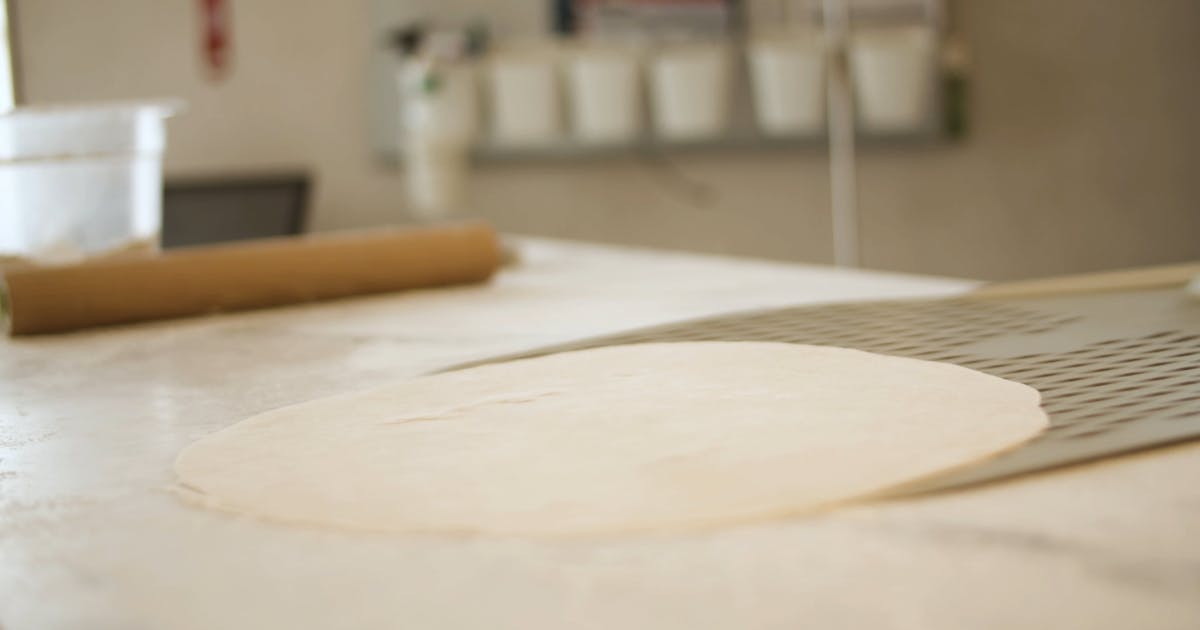
Understanding Wood-Fired Pizza Excellence
Industry insights into what makes authentic wood-fired pizza operations stand out in the competitive dining market.
The Art of Traditional Technique
Wood-fired pizza has experienced a remarkable resurgence in the restaurant industry, driven by a renewed appreciation for authenticity and craft. As PMQ Pizza Magazine explains in their industry coverage, wood-fired pizza techniques continue to evolve while maintaining traditional authenticity. We've found this especially true when observing how local pizzerias balance innovation with time-honored methods.
The process begins with understanding temperature control. Professional operators maintain their wood-fired ovens at precise temperatures, typically between 800-900 degrees Fahrenheit for Neapolitan-style pizzas. This technical precision, combined with quality ingredients, creates the distinctive crust characteristics that distinguish excellent wood-fired pizza from standard restaurant offerings.
Learn MoreQuality Standards in Food Service
Operating a successful pizza restaurant requires adherence to rigorous food safety and quality standards. The restaurant industry maintains comprehensive guidelines to ensure consistent service quality and customer safety. Professional operators understand that excellence extends beyond taste to encompass food handling, ingredient sourcing, and facility management.
The restaurant industry maintains rigorous standards for food safety and operational excellence. For more detailed information about professional certifications and industry best practices, visit the National Restaurant Association. Their comprehensive resources provide the foundation that distinguishes industry leaders from competitors.
Explore StandardsCatering Excellence and Event Success
How professional catering operations deliver exceptional experiences for corporate events and private celebrations.
Menu Development
Successful catering begins with thoughtful menu design that reflects the client's vision while showcasing culinary expertise. Professional caterers develop menus that balance visual appeal, flavor profiles, and practical serving considerations.
Live Cooking Stations
Wood-fired pizza catering has become a signature offering for upscale events. Live cooking demonstrates craftsmanship and creates memorable guest experiences that elevate any occasion from standard to exceptional.
Professional Service Team
Behind every successful catering event is a trained service team that coordinates timing, guest interaction, and operational execution. Professional catering providers invest in staff training and quality service standards.
Quality Assurance
Industry-leading catering operations implement quality assurance processes at every stage. From ingredient selection through final presentation, consistency and excellence define the professional approach.
Industry Trends and Market Insights
Data-driven analysis of emerging trends in wood-fired pizza and restaurant dining experiences.
What Defines Restaurant Excellence
Ingredient Quality and Sourcing
Professional restaurants prioritize ingredient selection as the foundation of quality. Sourcing decisions reflect both culinary standards and cost management. The best operators develop relationships with trusted suppliers who understand their quality requirements.
- Italian and imported specialty ingredients
- Local produce partnerships
- Consistent supplier relationships
- Quality certification and standards
Operational Excellence
Running a successful restaurant requires systematic approaches to inventory management, staff training, and customer service. Professional operations implement documented procedures that ensure consistency across every service.
- Standardized recipe specifications
- Regular staff training programs
- Inventory management systems
- Customer feedback mechanisms
Building Your Restaurant Experience
Key considerations for creating memorable dining experiences that keep customers returning.

The Human Element
Beyond ingredients and equipment, successful restaurants are built on the expertise and passion of their teams. Professional restaurant operators invest in staff development, creating environments where employees understand quality standards and take pride in their work.
The best dining experiences result from genuine care—from the kitchen team perfecting each dish to the service staff who understand the significance of hospitality. This human element distinguishes exceptional restaurants from mediocre ones.
Connect with ExpertsResources for Restaurant Professionals
Curated industry resources for those passionate about culinary excellence and professional dining operations.
Industry Publications
Staying informed about restaurant trends requires access to reliable industry sources. Professional publications provide market analysis, technique discussions, and business insights relevant to restaurant operators at every level.
Leading industry publications cover everything from culinary techniques to business management strategies, helping operators stay competitive and informed.
Professional Development
Continuing education strengthens professional capabilities across all restaurant operations. Many industry organizations offer certifications, workshops, and training programs designed for operational staff and management.
Professional development investments signal commitment to quality and create competitive advantages in the restaurant market.
Community and Networking
Restaurant professionals benefit from peer networks, industry events, and community connections. These relationships provide opportunities for knowledge sharing, collaboration, and mutual support.
Strong professional communities elevate entire sectors through shared knowledge and collective commitment to quality standards.
Ready to Elevate Your Dining Experience?
Connect with industry experts to discuss your restaurant, catering, or event needs.